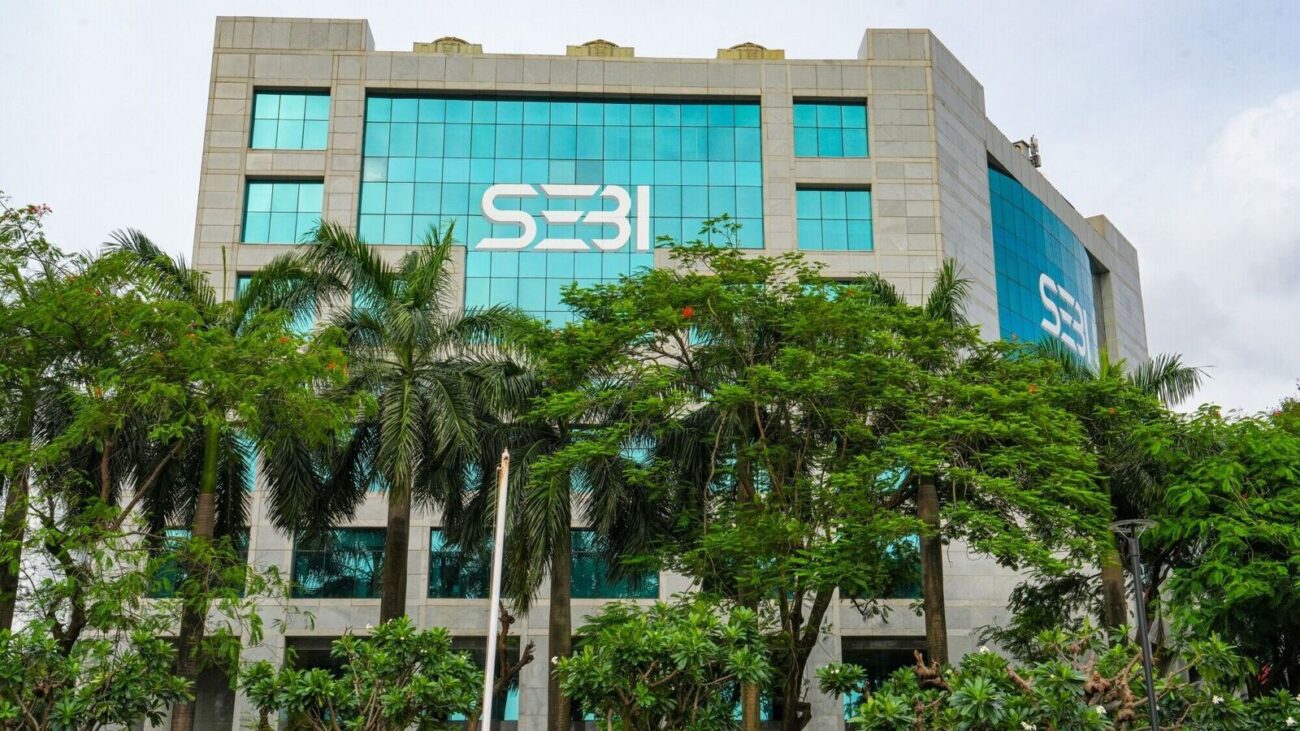
On 24 October the markets regulator penalized 13 entities for their role in a scheme that allegedly netted over ₹2 crore in illegal gains. The case is notable because the main accused—Kuntal Goel, the tipper; Jitendra Kewalramani, the front-runner; and Samir Kothari, an intermediary—settled with Sebi in December 2024 without admitting any wrongdoing.
Under the terms of the settlement, the three paid fees ranging from ₹55.90 lakh to ₹64.29 lakh, surrendered their illegal profits with 12% interest, and were barred from the securities market for six months. Angel One settled with Sebi in September 2024 by paying ₹21.64 lakh after Kewalramani, its authorized person, was accused.
However, the 24 October ruling reinforced Sebi’s stance that a settlement by one party does not break the chain of liability in a coordinated fraud, a position that legal experts said was defensible but would be scrutinized intensely on appeal.
The case relates to a Sebi investigation into trading between January 2021 and October 2022. The regulator found that Goel, privy to large impending orders from three family trusts (the ‘Big Client’), passed on this non-public information to Kewalramani via Kothari. A network of 30 entities then allegedly used this information to trade ahead of the ‘Big Client’s’ orders, securing illegal profits.
The main accused reached a settlement with Sebi on 19 December 2024 and this became the crux of the defence for the remaining 24 entities. They argued that since the tipper was not formally found guilty, the ‘information chain’ was legally broken and the basis for the charges against them collapsed.
However, in an 82-page order on 23 October, Sebi’s chief general manager Santosh Shukla, acting as a quasi-judicial authority, rejected this argument, terming the operation an “intertwined scheme”. The regulator asserted that liability under its Prohibition of Fraudulent and Unfair Trade Practices (PFUTP) Regulations was individual and conduct-based, and a settlement by some did not erase the culpability of others.
‘Sebi’s consistent stance’
Legal experts largely agreed with Sebi’s reasoning. “The argument that the information chain was severed is legally weak,” said Kunal Sharma, founder & managing partner at Taraksh Lawyers & Consultants.
“Liability under the PFUTP Regulations is individual and conduct-based, and not reliant upon a finding against a principal insider. Sebi and the Securities Appellate Tribunal (SAT) have expressed that, where circumstantial evidence of concerted behaviour can be established, this is sufficient to create liability.”
Hardeep Sachdeva, senior partner at AZB & Partners, noted that this has been the regulator’s consistent stance. “Sebi has consistently held that a settlement by one party does not extinguish liability of others, particularly where the scheme is described as ‘intertwined’,” he said.
For instance, Axis Securities settled front-running charges with Sebi by paying ₹14 lakh in December 2024, but the regulator proceeded separately against Mandar Bhatkar, who was accused of being the ‘tipper’ in the same scheme.
‘Guilt by association’ risk
Experts told Mint a particular clause in Sebi’s settlement regulations posed a potentially serious legal risk to the accused. Under the rules, the regulator has the power to make ‘necessary observations’ about settled parties, but experts warned this creates a risk of ‘guilt by association’.
They (remaining accused) cannot cross-examine or challenge Sebi’s observations, yet must defend themselves against a version of events that the regulator has already appeared to validate.
Akshaya Bhansali, managing partner at Mindspright Legal, explained their predicament. “They (remaining accused) cannot cross-examine or challenge Sebi’s observations, yet must defend themselves against a version of events that the regulator has already appeared to validate. The result is a blurred line between observation and finding, giving rise to a quasi-admission effect and a strong risk of guilt by association or atmospheric prejudice,” she said.
Sachdeva called this a “delicate area”, acknowledging that such observations, while not formal findings, can “create a perceptional risk for co-noticees” and “raise legitimate concerns” about prejudice.
Grounds for appeal
The 13 entities that did not settle have been barred from the markets for up to three years, but their fight is unlikely to be over as they have several grounds to appeal before the SAT. While the ‘broken chain’ argument has historically found little traction at the SAT, the quality of Sebi’s evidence will be paramount.
“If Sebi fails to produce sufficient evidence or concrete findings to support its conclusions, SAT has not hesitated in rejecting its investigations and setting aside its orders,” said Arvind Ramesh, partner at Vritti Law Partners.
The most potent challenges are likely to be about procedural fairness, experts said. Bhansali suggested the primary argument would be that Sebi’s actions “violated the principles of natural justice”. She said, “When the main accused has settled and cannot be cross-examined, the remaining accused cannot effectively rebut Sebi’s characterization of that person’s role, yet that role forms the foundation of the case against them.”
Sonam Chandwani, managing partner at KS Legal, echoed this view, saying, “Imputing intent or knowledge to peripheral participants without conclusive evidence weakens the evidentiary integrity of Sebi’s findings.”
The appellate tribunal’s decision will be watched closely as it could set a precedent for how multi-party fraud cases are adjudicated.
Queries sent to Sebi on Thursday morning did not elicit an immediate response. The story will be updated if and when the regulator replies.
