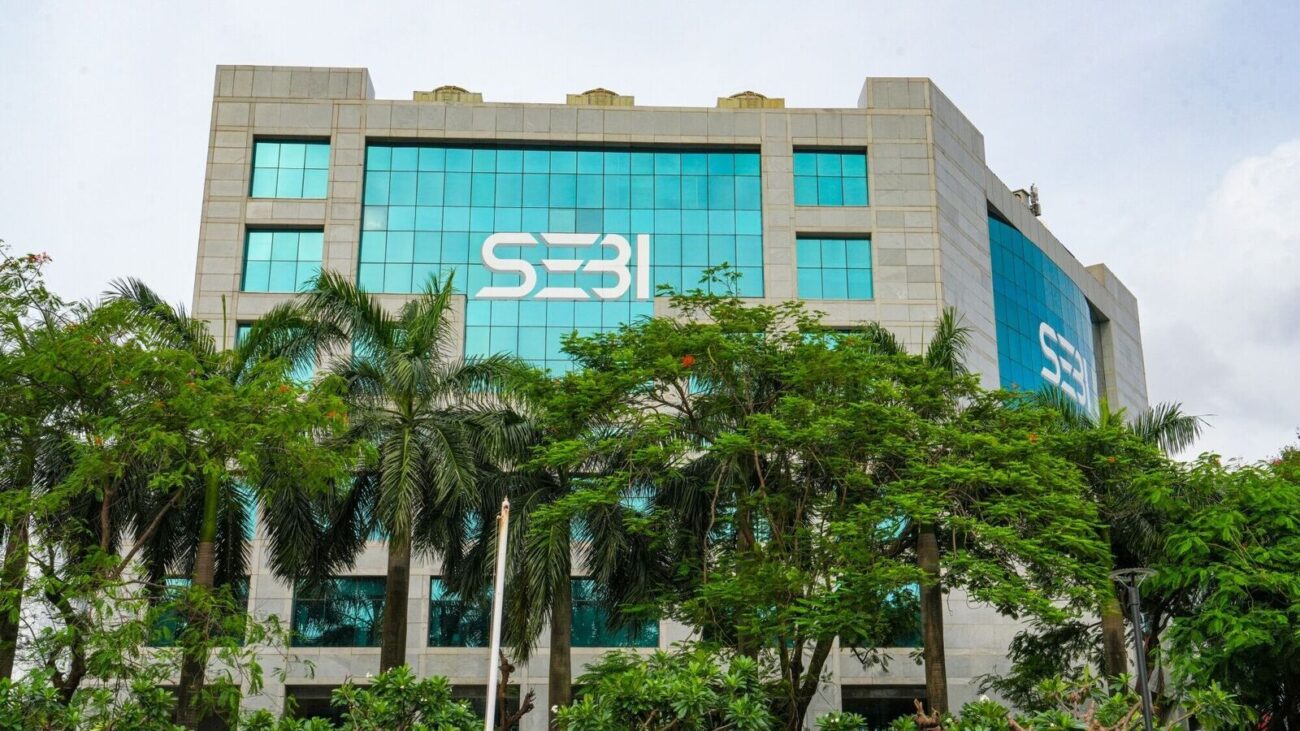
In a consultation paper on 28 October, Sebi laid out a key change which could impact the revenues of AMCs and may lead to lower revenues for mutual fund distributors as a second-order effect. The move also comes at a time when investors have started investing directly in mutual funds, and the share of distributors, although high, is decreasing.
The proportion of direct plans in total systematic investment plan (SIP) assets has increased over the last five years from 12% as of March 2020 to 21% as of March 2025, as per the annual report of the Association of Mutual Funds in India (Amfi). Mutual fund investors can either invest directly or be aided by a distributor.
The proposed change refers to scrapping an additional charge of 5 basis points AMCs earned over the exit load, the fee charged by asset managers if an investor prematurely exits the scheme. Regardless of whether the investor leaves the fund or not, AMCs currently earn 5 bps, which is part of the total expense ratio (TER).
“If the draft paper is implemented, AMCs will have to let go of the 5 bps income over the exit load, in which case, they might cut the distributor commissions to maintain margins,” said an executive at one of the biggest mutual fund distributors (MFDs), speaking on condition of anonymity.
Impact on earnings
The impact of the 5 bps reduction in earnings for AMCs would impact the FY27 profit before tax for AMCs by 6-8%, Nomura Financial Advisory and Securities (India) Pvt. Ltd said in a report on 30 October. It added, however, that a portion of this impact will be passed on to distributors, partly cushioning the overall impact on earnings for AMCs.
The top three MFDs in terms of amount received as commissions and expenses in FY25 were NJ India Invest, State Bank of India (SBI) and HDFC Bank. NJ India Invest received ₹2,607 crore in FY25 as gross commissions, while SBI received ₹1,513 crore and HDFC Bank received ₹1,083 crore in gross commissions, as per data on commissions and expenses paid to distributors in FY25 from Amfi.
Mails sent to SBI, HDFC Nank and NJ India Invest remained unanswered.
“It is expected that AMCs will pass on the hit to distributors,” said Ankur Kulkarni, a mutual fund distributor at Ankur Kulkarni Financial Services who manages around ₹60 crore of assets.
Total Expense Ratio (TER), is the fees charged to a mutual fund investor by the AMC. The highest TER for equity schemes is 2.25% and the lowest is 1.05% of the assets under management (AUM). In this, a part is management fees, which are earnings of the AMC, a part is operational expenses to run the scheme, and the rest is commissions paid to the mutual fund distributors.
Usually in a scheme with a 1.25% TER, around 30 basis points may go towards operational costs, about 30 basis points is AMC margin, and the rest 60 basis points is paid to the distributor, said Santosh Joseph, founder of Germinate Investor Services which managed an average AUM of ₹942 crore for FY25, as per data on commissions and expenses paid to distributors in FY25 from Amfi.
Likely changes
Experts said that the proposed regulation may impact larger funds more as they already operate with slimmer margins, which limits their ability to absorb any further regulatory cuts. Larger funds have higher AUM and hence lower TERs.
“Probably the AMCs which are on a bigger size will find it a little challenging to manage the space. So, then they have little space to play with (the TER),” Kulkarni added.
Plus, the impact will be more on distributors who focus heavily on selling equity funds rather than fixed-income products. While equity schemes have a higher TER than fixed income schemes. The highest TER for an equity scheme is 2.25% while it is 2% for a debt scheme.
Some also believe that the continuous lowering of TERs may lead to mutual fund distributors selling higher-commission products.
“Successive bouts of lowering the TER over years could further lead to distributors including banks, brokers, national distributors and individual MFDs to look at selling New Fund Offers, higher share of schemes of newer AMCs with lesser AUMs, and even alternate products like insurance due to higher and stabler commission structures,” said Manmeet Singh Khurana, founder at mutual fund distributor Wealth Dope and a certified financial planner.
Among the other changes proposed by Sebi were capping the brokerage and transaction charges for carrying out a trade from 12 bps to 2 bps.
The higher charges demanded by brokers included the execution of trade as well as research, which the AMC is also doing. This may lead to investors paying for double services, the paper added, and hence it should be reduced to 2 basis points, which includes the AMCs paying only for execution.
An institutional broker provides research and executes trades on behalf of the AMC.
This will not impact AMCs’ revenues as it will be passed on to the institutional brokers, said experts.
The distributor quoted earlier said that this will impact the smaller AMCs, which do not have bigger research teams and will have to incur additional expenses on research. The research cost may not be passed on to the distributor commissions, the person added.
